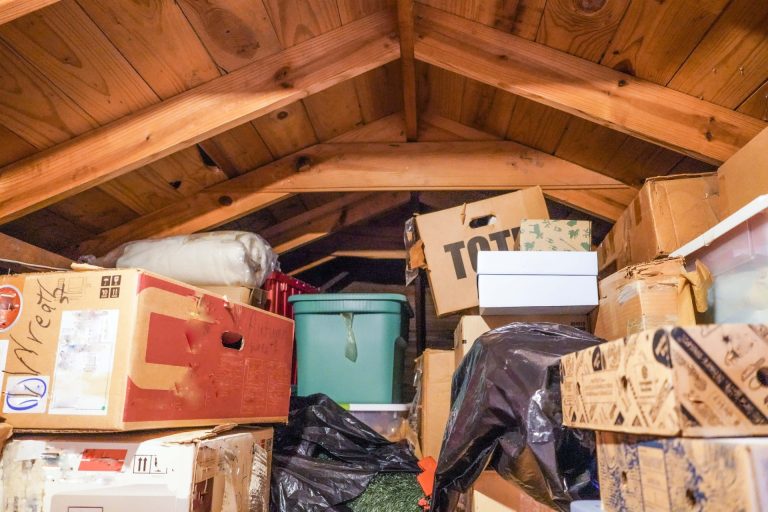
When a hoarding situation reaches the point where a home needs professional attention, the work involved goes far past hauling out boxes and bags. Years of accumulated items often hide moisture damage, pest activity, and materials that pose real health risks to anyone who enters the space without the right protection. Understanding what biohazard cleanup actually involves helps families, case managers, and property owners know what to expect and why the process takes the care that it does.
Why Hoarding Situations Often Require More Than a Simple Cleanout
A typical cleanout job assumes a home is structurally sound and free of hazardous material, just cluttered. Hoarding situations rarely fit that assumption. Items piled for years can trap moisture against walls and flooring, creating conditions for mold growth that spreads unseen behind furniture and stacked belongings. Pathways through a home can narrow to the point where air circulation stops almost entirely, which changes how surfaces age and how odors and contaminants settle into fabric, wood, and drywall.
There is also the matter of what has been stored alongside everyday items. Food waste, animal waste, and in some cases human waste can be present in homes where bathrooms or kitchens became difficult to access. None of this is meant to shame anyone dealing with hoarding, since it is recognized as a genuine mental health condition, but it does mean a cleanup crew has to plan for hazards that a standard junk removal service is not equipped to handle.
Recognizing the Health Hazards Hidden in a Hoarded Home
Biological contamination is one of the most common concerns in these homes. Rodent and insect infestations tend to follow long-term clutter, and their droppings can carry bacteria and viruses that become airborne when disturbed. Mold is another frequent find, particularly in homes with water intrusion from roof leaks, plumbing issues, or condensation that had no way to dry out because airflow was blocked by belongings.
Sharp objects, broken glass, and unstable stacks of items add a physical injury risk on top of the biological one. Expired medications, cleaning chemicals stored improperly, and even old batteries can leach into surrounding materials over time. A trained team assesses all of this before any items are moved, not after, because moving things carelessly can release contaminants into the air or spread them to areas of the home that were previously unaffected.
The First Steps: Assessment and Safety Planning
Every legitimate biohazard cleanup starts with a walkthrough. The team documents what they find, identifies the highest-risk areas first, and figures out what personal protective equipment the job calls for. This might mean respirators, coveralls, and gloves rated for biological exposure rather than the basic dust masks people associate with cleaning out a garage.
Part of this planning stage also involves deciding how the work will be sequenced. Rooms with the most severe contamination, such as a bathroom that has been unusable for a long period, typically get handled with extra containment measures so contaminants do not travel into cleaner parts of the house. This is also when the team decides whether structural elements like flooring or drywall are salvageable or need to be removed entirely.
Sorting, Removal, and Working With the Homeowner Respectfully
Removing belongings from a hoarded home is rarely as simple as tossing everything into a dumpster. Families and homeowners often want a say in what gets kept, and a respectful cleanup crew builds time into the process for that. Items get sorted into categories such as keep, donate, and dispose, with hazardous materials separated out immediately regardless of sentimental value, since safety has to come first.
This stage benefits enormously from patience. Rushing a homeowner through decisions about their belongings can cause real distress, and a good cleanup team recognizes that the emotional side of the job is just as important as the physical labor. Clear communication about why certain items cannot be kept, particularly anything contaminated by mold or pests, tends to go over better than simply removing things without explanation.
Deep Cleaning and Decontamination Methods
Once the bulk of the clutter is gone, the real decontamination work begins. This usually involves cleaning and disinfecting every exposed surface, including walls, floors, and ceilings, using products designed to neutralize biological contaminants rather than just mask odors. Porous materials such as carpet padding or damaged drywall often cannot be fully sanitized and get removed instead of treated.
Odor removal is its own step and often the one families notice most. Long-term contamination soaks into materials in ways that regular cleaning products cannot reach, so specialized equipment like air scrubbers and ozone treatment may be used to fully clear the air. This is a big part of what a thorough cleanup involves that separates it from a weekend cleaning project, since the goal is to make a space genuinely safe to occupy again, not just visually tidy.
Dealing With Pests, Mold, and Structural Damage
Pest control frequently runs alongside the cleanup itself. Removing clutter takes away hiding spots for rodents and insects, but an active infestation usually needs its own treatment plan coordinated with the cleanup timeline so pests are not simply displaced into another part of the home.
Mold remediation follows a similar logic. If moisture has been trapped for a long period, mold can extend well beyond what is visible on the surface. A thorough team checks behind walls and under flooring in the areas most likely to have been affected, and any structural repairs get flagged for follow-up work once the immediate hazards are addressed.
When Biohazard Cleanup Extends to Commercial Spaces
Hoarding situations are not limited to private homes. Rental units, storage facilities, and even small business properties can accumulate the same kind of hazardous clutter, and the cleanup approach has to adapt accordingly. Commercial spaces often come with additional requirements around code compliance and reoccupancy timelines, since a landlord or business owner needs the space usable again as quickly and safely as possible. Property managers dealing with this kind of situation often look into commercial restoration Round Lake providers who understand both the biohazard side of the job and the practical needs of getting a commercial space back into service.
The scale of these jobs can also be larger, involving multiple units or floors, which means the planning phase carries even more weight. Coordinating with building management, other tenants, and sometimes local health authorities becomes part of the process in a way that a single-family home cleanup does not usually require.
Why Professional Help Matters More Than DIY Cleanout
It is tempting for families to want to handle a hoarding cleanup themselves, especially when cost or privacy concerns come into play. But the health risks involved make this one of the situations where professional help genuinely changes the outcome. Exposure to mold spores, bacteria, and airborne contaminants can cause real illness, and without the right equipment, well-meaning family members can end up spreading contamination rather than removing it.
Professional teams also carry the equipment needed to dispose of hazardous waste according to local regulations, which is not something most households are set up to do correctly. Getting this step wrong can create liability issues down the line, particularly if the property is later sold or re-rented.
Supporting the Family Through the Process
The people affected by a hoarding situation are usually going through a difficult time well before any cleanup crew arrives. A team that understands this brings a calm, judgment-free approach to the job, communicating clearly about timelines and what to expect at each stage rather than treating the home like just another job site.
Connecting families with additional support, whether that is a therapist experienced in hoarding disorder or a case manager who can help with longer-term organization, often matters as much as the physical cleanup itself. A home can be made safe again, but the underlying situation usually benefits from ongoing support beyond the cleanup day.
What to Look for When Hiring a Cleanup Team
Not every cleaning company is equipped for biohazard work, so it is worth asking specific questions before hiring one. Find out whether the team has documented experience with hoarding situations specifically, what kind of protective equipment and disposal methods they use, and whether they carry the appropriate certifications for handling biological waste.
Local reviews and references can tell you a lot about how a company handles the emotional side of the job as well as the technical side. For anyone searching in the Round Lake area, looking up a property restoration Round Lake, NY listing with recent reviews is a straightforward way to see how a company has handled similar situations for other families before making a decision.